

6mm wired glass
Understanding Snap Bore Gauges A Comprehensive Guide In the world of precision engineering, accurate measurement is pivotal. Among various tools used for this purpose, snap bore gauges stand out as essential instruments for assessing the internal dimensions of cylindrical objects. This article delves into the diverse aspects of snap bore gauges, including their construction, working mechanisms, applications, and benefits. What is a Snap Bore Gauge? A snap bore gauge is a specialized measurement tool designed to measure the internal diameters of holes, cylinders, and other cylindrical features with high precision. Unlike external measuring tools such as calipers, snap bore gauges are specifically tailored for internal dimensions, making them indispensable in fields such as manufacturing, mechanical engineering, and quality control. Construction of Snap Bore Gauges The typical snap bore gauge consists of a few key components 1. Body The main structure, often made of durable material like stainless steel, holds the gauge’s components. 2. Measuring Heads These are spring-loaded arms that expand to contact the internal surface of the bore or hole being measured. 3. Alignment Features Some models come equipped with alongside or centering points, allowing the user to precisely position the gauge within the bore. 4. Measuring Mechanism This includes the dial indicator or electronic display that shows the measurement readout, providing immediate feedback to the user. The design may vary depending on the specific type of snap bore gauge, but the underlying principle remains the same to facilitate accurate measurement of internal dimensions. Working Mechanism snap bore gauge Using a snap bore gauge involves a straightforward process. Here are the steps typically followed 1. Preparation Ensure that the gauge is clean and free from any debris that could affect measurement accuracy. If the gauge includes a calibration feature, check it before use. 2. Insertion Gently insert the snap bore gauge into the bore or hole. The measuring heads should be positioned so that they can contact the inner walls. 3. Expansion Activate the mechanism to expand the gauging tips. This usually involves pushing a trigger or turning a knob, allowing the measuring heads to make contact with the bore walls. 4. Measurement Once the measuring heads are in contact with the bore’s interior, the user can take note of the measurement displayed on the dial or digital readout. 5. Retrieval and Adjustment Carefully withdraw the gauge and assess whether further measurements are necessary. Repeat the process as required for different spots within the bore to ensure uniformity. Applications Snap bore gauges find extensive application across various industries, including - Manufacturing Ensuring that machined parts meet specified tolerances. - Automotive Industry Measuring engine block bores and other critical components. - Aerospace Checking the internal dimensions of precision components. - Quality Control Conducting inspections to maintain product standards. Their ability to provide immediate, accurate readings helps streamline production processes and maintain quality control, minimizing costs related to errors and rework. Benefits of Snap Bore Gauges 1. Precision Snap bore gauges provide highly accurate measurements, critical for applications demanding tight tolerances. 2. Ease of Use Even users with minimal technical expertise can operate these gauges effectively. 3. Versatility They can measure holes in various shapes and sizes, accommodating diverse industrial applications. 4. Durability Made from robust materials, snap bore gauges are designed to withstand the rigors of industrial environments. In summary, snap bore gauges are indispensable tools for anyone involved in precision measurement of internal dimensions. Their simple design, ease of use, and accuracy make them a favored choice in numerous applications, contributing significantly to the quality assurance processes in manufacturing and engineering. Understanding their function and capabilities can aid professionals in choosing the right tools for their measurement needs and consequently enhance the efficiency of their operations.
about
6mm wired glass
The Importance of Rebar End Caps in Construction A Structural Necessity Rebar, or reinforcing steel, is an essential component in the construction industry, providing reinforcement to concrete structures and enhancing their strength and durability. A critical aspect often overlooked in this process is the rebar end cap. This seemingly minor detail plays a significant role in ensuring the integrity and longevity of a construction project. An end cap, as the name suggests, is a protective covering placed at the ends of rebars. It serves multiple purposes, all of which contribute to the overall efficiency and safety of the structure. Firstly, it prevents corrosion by sealing off the exposed end of the rebar, reducing the entry point for water and other corrosive elements. Corrosion can weaken the rebar, compromising the structural stability, and the end cap acts as a barrier against this potential threat. Secondly, rebar end caps act as a means of preventing accidental injury. In a construction site, loose and protruding rebar ends pose a safety hazard to workers. End caps provide a non-abrasive surface, minimizing the risk of cuts or punctures, thus contributing to workplace safety. Moreover, end caps also play a role in maintaining the continuity of the steel reinforcement Moreover, end caps also play a role in maintaining the continuity of the steel reinforcement Moreover, end caps also play a role in maintaining the continuity of the steel reinforcement Moreover, end caps also play a role in maintaining the continuity of the steel reinforcement rebar end cap . They ensure that the rebar's tensile strength is not compromised, which is crucial for load-bearing structures. Without proper end caps, there could be a reduction in the rebar's bonding capacity with the surrounding concrete, affecting the structure's overall performance. In addition to these functional benefits, rebar end caps also contribute to the aesthetics of the construction. They cover up any unsightly ends, giving a more finished and professional look to the structure. The use of high-quality end caps, compatible with the rebar material, is paramount. Different materials, such as plastic or metal, offer varying degrees of protection and durability, and the choice depends on the specific project requirements and environmental conditions. In conclusion, the rebar end cap might seem like a small detail in the grand scheme of construction, but its significance cannot be understated. It is a testament to the importance of considering every element, no matter how seemingly insignificant, in the pursuit of structural integrity and safety. As construction technology advances, so does the design and functionality of rebar end caps, further emphasizing their pivotal role in modern construction practices.
-

High quality industrial productsagement

High quality industrial products
View Details -

Meet the diverse needs of customers

Meet the diverse needs of customers
View Details -

Strict quality control

Strict quality control
View Details -

Top raw materials

Top raw materials
View Details -

Trusted supplier

Trusted supplier
View Details
Our application


news and information

What Are the Different Types of Gate Valves_
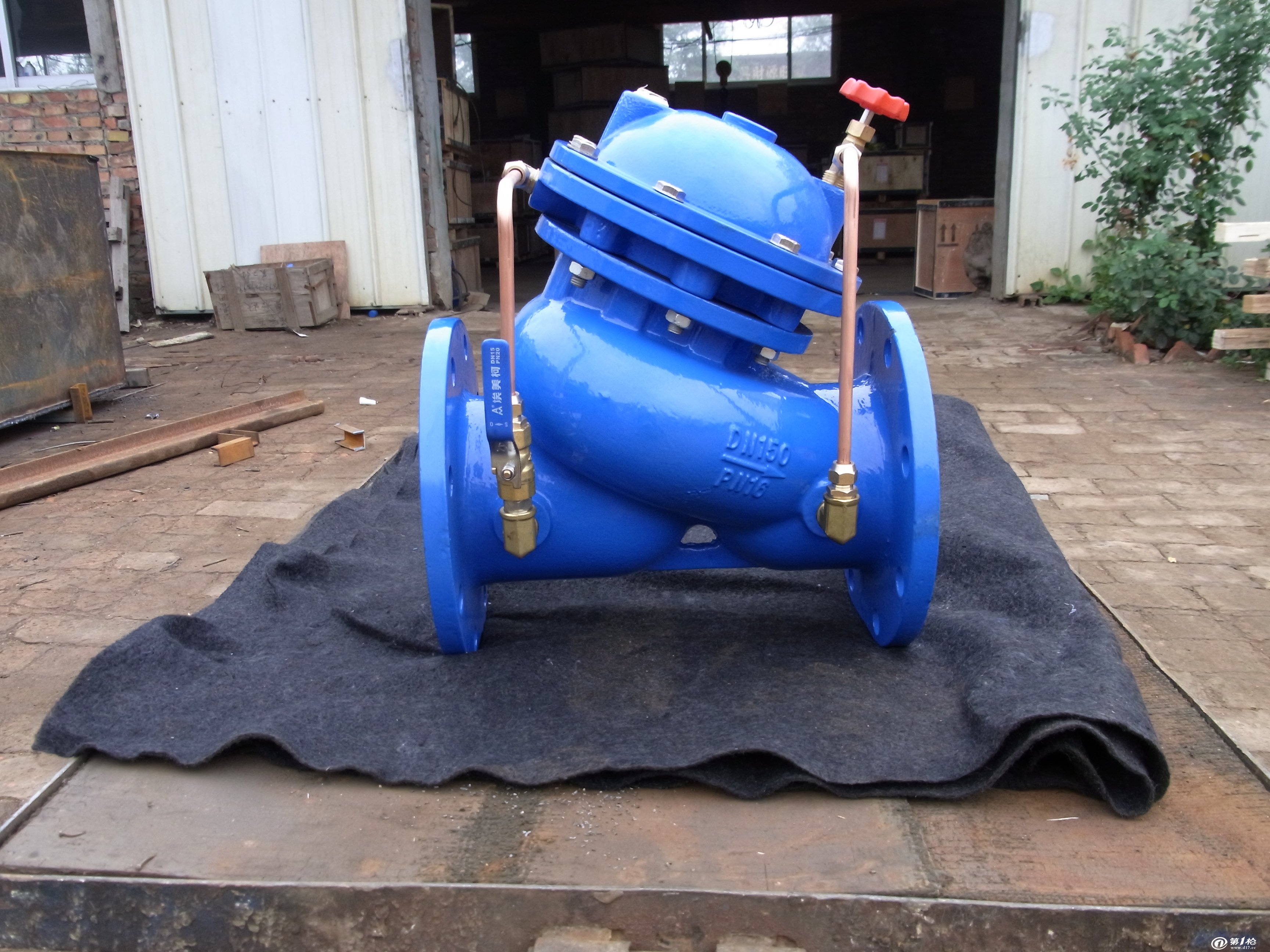
When diving into the world of industrial flow control, understanding the various types of gate valve
v block & clamp
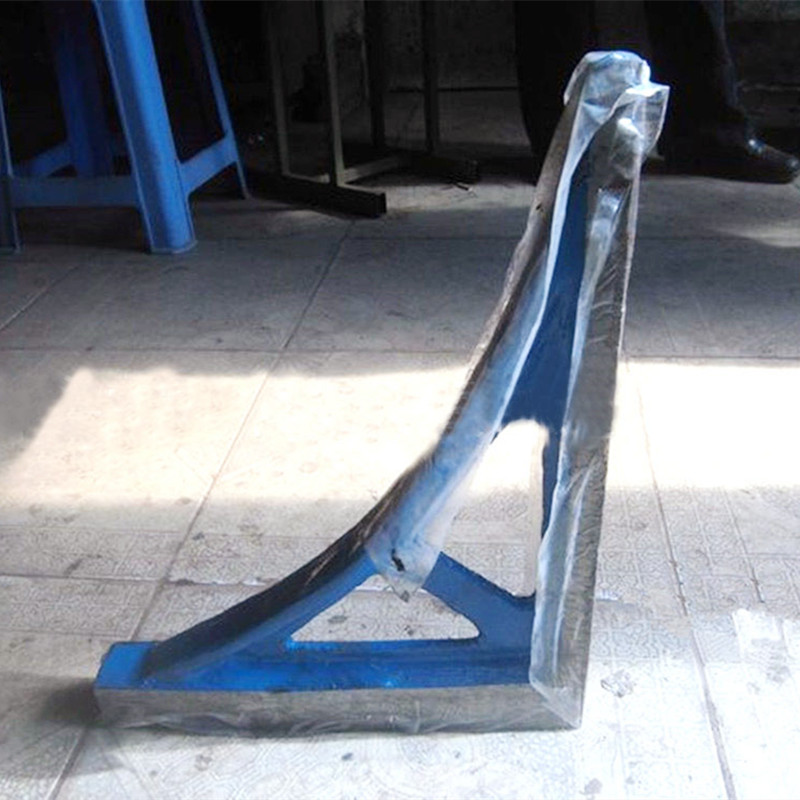
The Importance of V-Block and Clamp in Precision Workholding In various machining and manufacturing
Vibration Reduction Pads
Anti-Vibration Pads A Revolution in Equipment Protection In the modern world, vibration is an inevi
 English